Using Dosha and Dharma for Aligned Decisions
Many of the people I work with are thoughtful, self-aware, and genuinely committed to living well. They read, reflect, meditate, and try to make conscious choices. And yet, when it comes to important decisions, about health, work, relationships, or the direction of life itself, there is often a quiet confusion.
On the surface, things may look fine. But underneath, there is hesitation, overthinking, or a sense of being pulled in different directions. Logic alone doesn’t seem to settle the question. Intuition feels faint or unreliable. And advice from others, though well-intentioned, often adds more noise rather than clarity.
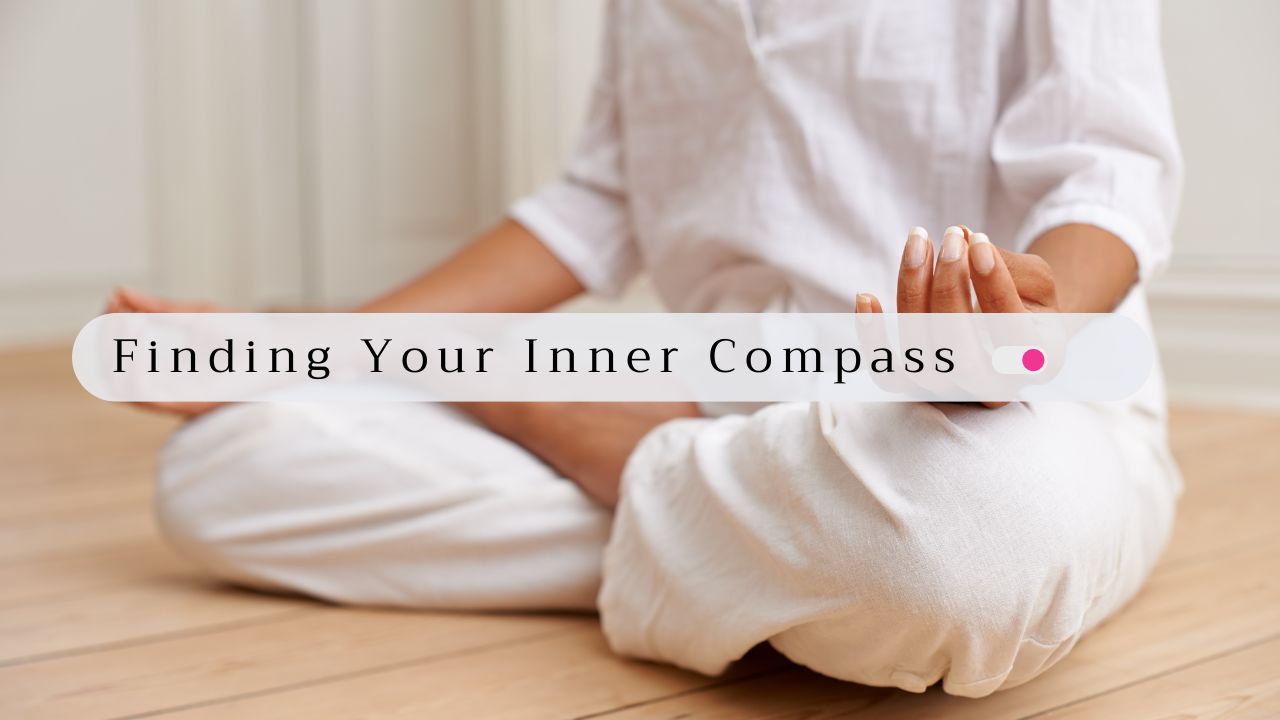
Ayurveda offers a profoundly different way of understanding decision-making. It teaches that clarity is not something we force with the mind. It is something that emerges when we are aligned with our inner nature and our deeper purpose. This inner alignment functions like a compass, subtle, steady, and trustworthy when we know how to listen.
In Ayurvedic language, this inner compass is guided by two foundational principles – Dosha and Dharma.
The Inner Compass Ayurveda Speaks Of
Modern culture tends to treat decisions as purely mental exercises. We analyse, compare, pros and cons, forecast outcomes, and try to choose the “best” option. While logic has its place, Ayurveda reminds us that a restless or imbalanced system cannot make wise decisions, no matter how intelligent the mind may be.
Ayurveda sees the human being as an integrated whole – body, mind, emotions, and consciousness constantly influencing one another. When this system is balanced, clarity arises naturally. When it is disturbed, decisions feel rushed, reactive, or confusing.
Rather than asking, “What should I do?” Ayurveda gently redirects us to ask,
“What state am I making this decision from?”
This is where dosha and dharma become powerful guides.
Dosha: How You Are Designed to Move Through Life
Doshas, Vata, Pitta, and Kapha, are often introduced through food and physical traits, but their influence runs much deeper. Each dosha shapes how we think, feel, process information, respond to stress, and approach decisions.
Understanding your dominant doshas or Prakruti is not about putting yourself in a box. It is about recognising who you are and your natural decision-making tendencies and learning how to bring them into balance.
Vata-dominant individuals are often intuitive, imaginative, and future-oriented. They see possibilities quickly and think creatively. When balanced, Vata makes inspired and insightful decisions. When imbalanced, however, the same sensitivity can turn into anxiety, indecision, and constant second-guessing. Decisions feel urgent rather than clear.
For Vata, aligned decisions arise from grounding. Slowing down, reducing sensory overload, and allowing the body to settle creates the internal stillness needed for clarity.
Pitta-dominant individuals are naturally decisive, focused, and goal-oriented. They like direction, structure, and progress. When balanced, Pitta makes clear, courageous choices aligned with purpose. When imbalanced, decisions may come from pressure, impatience, or the need to control outcomes, often leading to burnout or dissatisfaction.
For Pitta, alignment comes from softening intensity, pausing, cooling the system, and checking whether a decision is driven by inner truth or outer expectations.
Kapha-dominant individuals are steady, thoughtful, and values-driven. They consider long-term impact and tend to be loyal and consistent. When balanced, Kapha decisions are deeply rooted and sustaining. When imbalanced, inertia can take over, leading to avoidance, staying too long in situations, or resisting necessary change.
For Kapha, aligned decisions often require gentle activation, movement, inspiration, and permission to step into something new.
Dosha does not tell you what to choose. It helps you understand how clarity emerges for you and what conditions support or obstruct it.
Dharma: The Deeper Direction of Your Life
While dosha explains your functional nature, dharma speaks to meaning.
Dharma is often misunderstood as duty or obligation. In its deeper sense, dharma refers to right action, action that is aligned with truth, integrity, and your unique role in life. It is not fixed or rigid. Dharma evolves as we grow, mature, heal, and become more aware.
You could think of dharma as the quiet inner knowing that says, “This is true for me,” even when it feels uncomfortable or unfamiliar.
Living in alignment with dharma creates a sense of ease and consistency, even when life is challenging. Living against it often feels heavy, confusing, or draining, no matter how successful things look externally.
Ayurveda recognises that when we consistently move away from our dharma, imbalance arises, not only emotionally, but physically. Chronic stress, fatigue, digestive issues, and emotional depletion often reflect a life lived out of rhythm with one’s deeper truth.
When Dosha and Dharma Work Together
Dosha and dharma are not separate concepts. In Ayurveda, understanding your constitution supports your ability to live your dharma, and living your dharma supports balance in your doshas.
Dosha answers the question:
“What supports my system?”
Dharma answers the question:
“What is meaningful and right for me at this stage of life?”
Aligned decisions honour both.
For example:
- A career decision may look impressive on paper, but if it consistently aggravates your dosha and pulls you away from your values, it will eventually create imbalances (Vikruti) and cost your health.
- A lifestyle change may feel challenging initially, but if it supports balance and aligns with your inner truth, it brings long-term vitality and peace.
When dosha and dharma are aligned, decisions feel less dramatic. There is less internal conflict. Even difficult choices carry a sense of steadiness rather than anxiety.
Applying the Inner Compass to Different Areas of Life
Health and wellbeing
Dharma in health is not about perfection. It is about choosing what sustains life and vitality over time. Dosha and prakruti awareness helps you recognise when to rest, when to simplify, and when to act. Many health decisions become clearer when the body is listened to rather than overridden.
Work and contribution
Ayurveda reframes success as sustainable contribution. Decisions about work feel aligned when they respect your energy patterns and serve something meaningful, not just productivity or status.
Relationships
Dosha and prakruti awareness helps us understand our emotional patterns and needs. Dharma helps us determine whether a relationship supports growth, truth, and mutual respect. Sometimes alignment means deepening connection; sometimes it means creating boundaries or letting go.
Daily life choices
Small decisions, what we eat, how we start the day, how we respond to stress, all shape our inner compass continuously. This is where self-care becomes self-leadership.
Reconnecting with Your Inner Compass
Clarity does not come from forcing answers. It comes from creating the conditions in which answers can arise.
Some gentle ways to begin:
- Notice how your body feels before and after decisions.
- Observe whether urgency or calm is driving your choices.
- Reflect on what consistently brings energy versus depletion.
- Create space for stillness, through breath awareness, meditation, or simple quiet time.
As the nervous system settles, the inner compass becomes easier to hear.
Living From Alignment, Not Pressure
Ayurveda does not promise a life without challenges. It offers something far more valuable – the ability to meet life with clarity, steadiness, and self-trust.
When decisions are guided by dosha and dharma, life feels less like a series of reactions and more like a conscious unfolding. You stop asking others to tell you what is right and begin trusting your own inner guidance.
This is not a one-time insight. It is an ongoing relationship with yourself.
And over time, as alignment deepens, something subtle but powerful happens, decisions become simpler, health becomes more resilient, and life begins to feel quietly meaningful, not because it is perfect, but because it is true.
That is the work of the inner compass.