Redefining Success Through Stillness
The Culture of Constant Doing
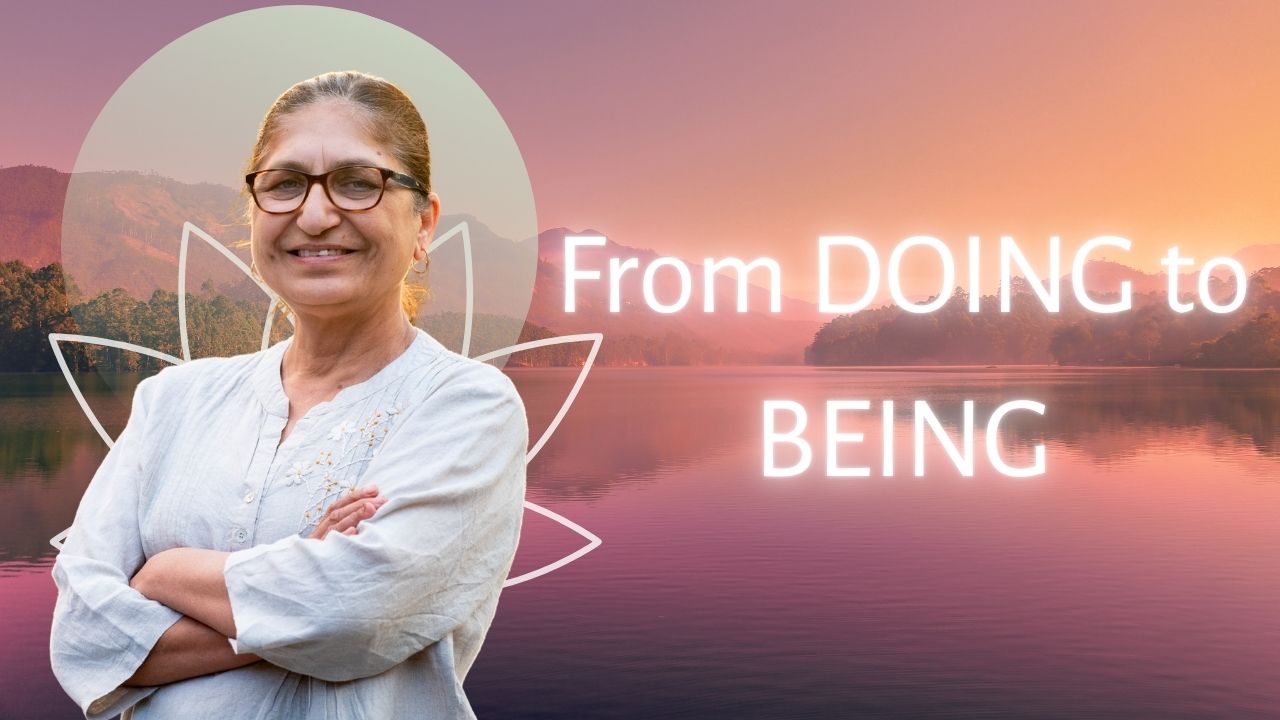
We live in a culture that celebrates constant movement. Full calendars, quick replies, measurable outcomes and visible progress have become the markers of success. Many people are achieving more than ever before, yet feeling increasingly tired. Not because they lack discipline. Not because they are incapable. But because they have been living in “doing mode” for too long. From the moment we wake up, the nervous system begins scanning messages, responsibilities, deadlines and expectations. Even before the body has fully arrived in the day, activation has begun. Over time, this constant engagement becomes normal. We mistake it for efficiency. We call it productivity. We tell ourselves this is what progress looks like.
https://youtu.be/jTnJZXbMQLA
But beneath that efficiency, there is often a subtle strain. The human nervous system was designed for rhythm, activation followed by recovery, effort followed by restoration. Just as the breath requires both inhalation and exhalation, life requires both movement and stillness. When that rhythm disappears, the body adapts to a state of low-level alertness. The breath becomes slightly shallow, muscles remain subtly tense, sleep becomes lighter, and thoughts become faster and more repetitive. You may still function well. You may continue to meet expectations. But internally, there is pressure. Over time, this pressure becomes fatigue, not always dramatic burnout, but a persistent sense of depletion that does not fully resolve. This is where the shift from doing to being becomes important.
Why Being Is Not Laziness
Doing is necessary, action builds results, and commitment creates progress. Ayurveda and yoga have always encouraged purposeful engagement with life. But they have also consistently emphasised balance. Doing without conscious being eventually creates imbalance, and imbalance shows up in many forms, like irritability, disrupted sleep, digestive changes, emotional reactivity and reduced clarity.
Being is often misunderstood. It is not laziness. It is not withdrawal. It is not the abandonment of ambition.
Being is presence.
It is the capacity to remain internally steady while acting externally. It is the ability to pause before reacting, to breathe before responding and to observe before concluding. When action arises from presence rather than pressure, the quality of that action changes. Communication becomes clearer. Decisions become wiser. Influence becomes steadier. Energy becomes more sustainable. Being does not reduce ambition. It refines it.
The Nervous System and Sustainable Success
Modern neuroscience mirrors this ancient understanding. When the nervous system is constantly activated, perception narrows. Stress hormones sharpen focus temporarily, but they reduce long-term clarity and emotional regulation. Under chronic pressure, patience decreases, creativity declines and reactivity increases. In contrast, when stillness becomes part of daily rhythm, parasympathetic activation increases, the branch of the nervous system associated with repair and regulation. In this state, perspective widens. Emotional steadiness improves. Decision-making becomes more thoughtful. Stillness does not reduce productivity. It stabilises it. And yet, many people fear slowing down. “If I pause, I will fall behind.” “If I stop pushing, things will collapse.” “If I am not constantly productive, I lose value.” But consider your own experience honestly. When you are overtired, your thinking is less precise. When overwhelmed, communication suffers. When stressed, small problems feel amplified. Speed without clarity creates strain. Clarity with measured action creates sustainability.
Redefining What Success Means
Maybe success needs a broader definition. Instead of asking only, “How much did I achieve today?” we might also ask, “How regulated did I feel today?” Instead of measuring only output, we might notice presence. On days when you feel grounded, you often accomplish more, and with less internal friction. Clarity replaces chaos. Focus replaces fragmentation. Energy is directed rather than scattered. This is not mystical. It is physiological.
When the nervous system feels safe, the body and mind function more coherently. Breath deepens. Muscles soften. Thoughts become less urgent. From this steadiness, action becomes more intelligent. You can move very fast in the wrong direction. Speed is impressive. Direction is intelligent. Stillness provides direction. When you pause regularly, you begin to notice what truly matters, what aligns with your values, what is sustainable and what is simply driven by urgency. Stillness is not the opposite of ambition. It is the foundation of sustainable ambition.
Small Pauses, Lasting Change
The shift from doing to being does not require dramatic lifestyle change. It begins with small, consistent pauses. Before opening your phone in the morning, take three slow breaths. Before responding to a difficult message, pause briefly. Before sleep, allow a few minutes without digital stimulation. Short periods of conscious rest, including breath awareness or guided practices like Yoga Nidra help retrain the nervous system toward regulation. Consistency matters more than intensity. The nervous system learns through repetition. Small pauses, repeated daily, gradually lower baseline stress tone. Over time, reactivity reduces. Emotional flexibility increases. Energy stabilises.
When you are steady within, your actions become clearer. Your communication becomes stronger. Your energy becomes more consistent. From doing alone, exhaustion grows. From being first, clarity grows. And from clarity, wise action follows. Maybe real success is not measured only by how much you accomplish, but by how centred you remain while accomplishing it. If this reflection resonates, begin simply. Create one protected moment of pause today, not to escape responsibility, but to carry it more wisely. Over time, that pause may become the most powerful investment you make in your well-being and in your success.